



Project: Investigation of Glacier Melting in the Tian Shan
Project Partner: GFZ German Research Centre for Geosciences, Potsdam
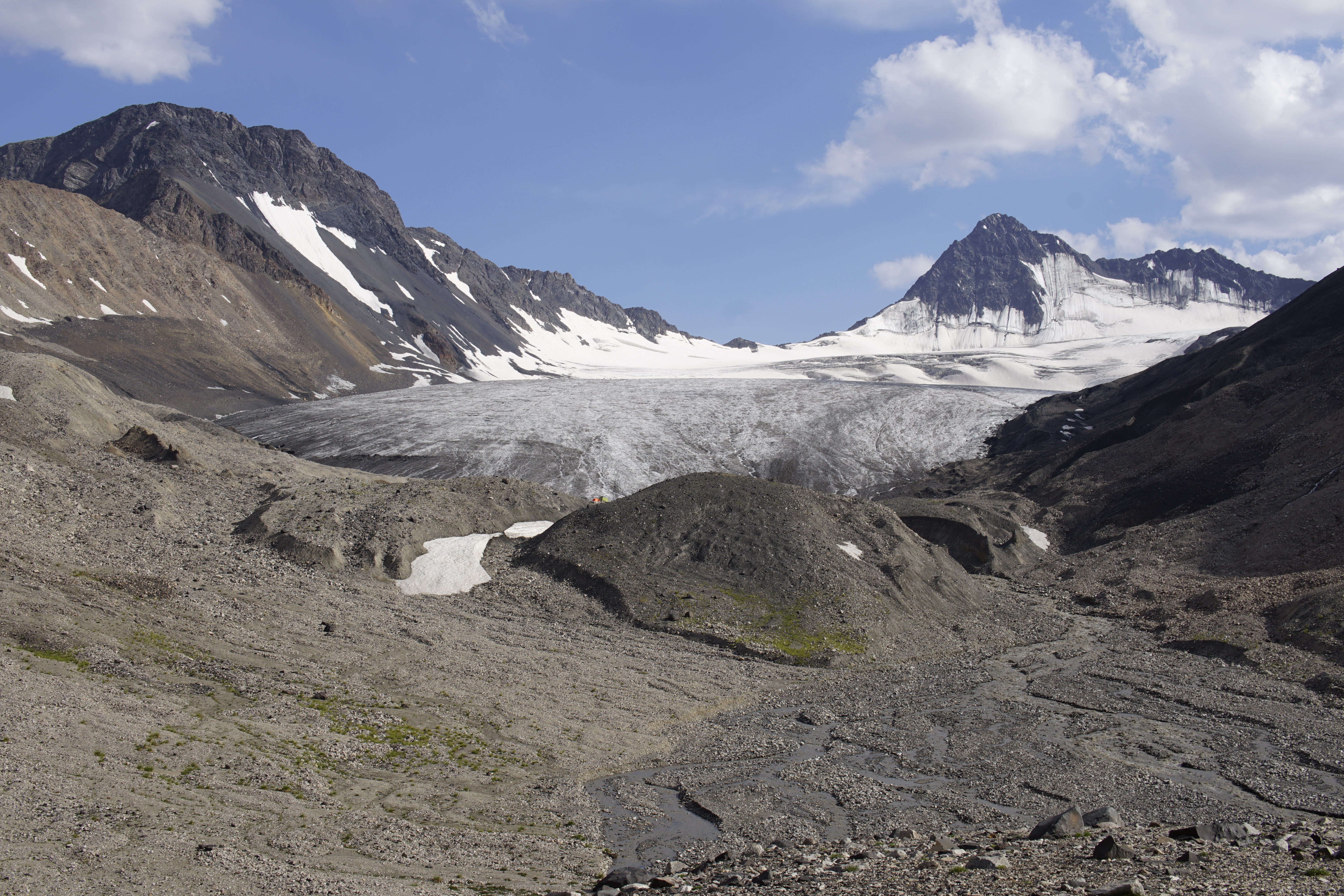
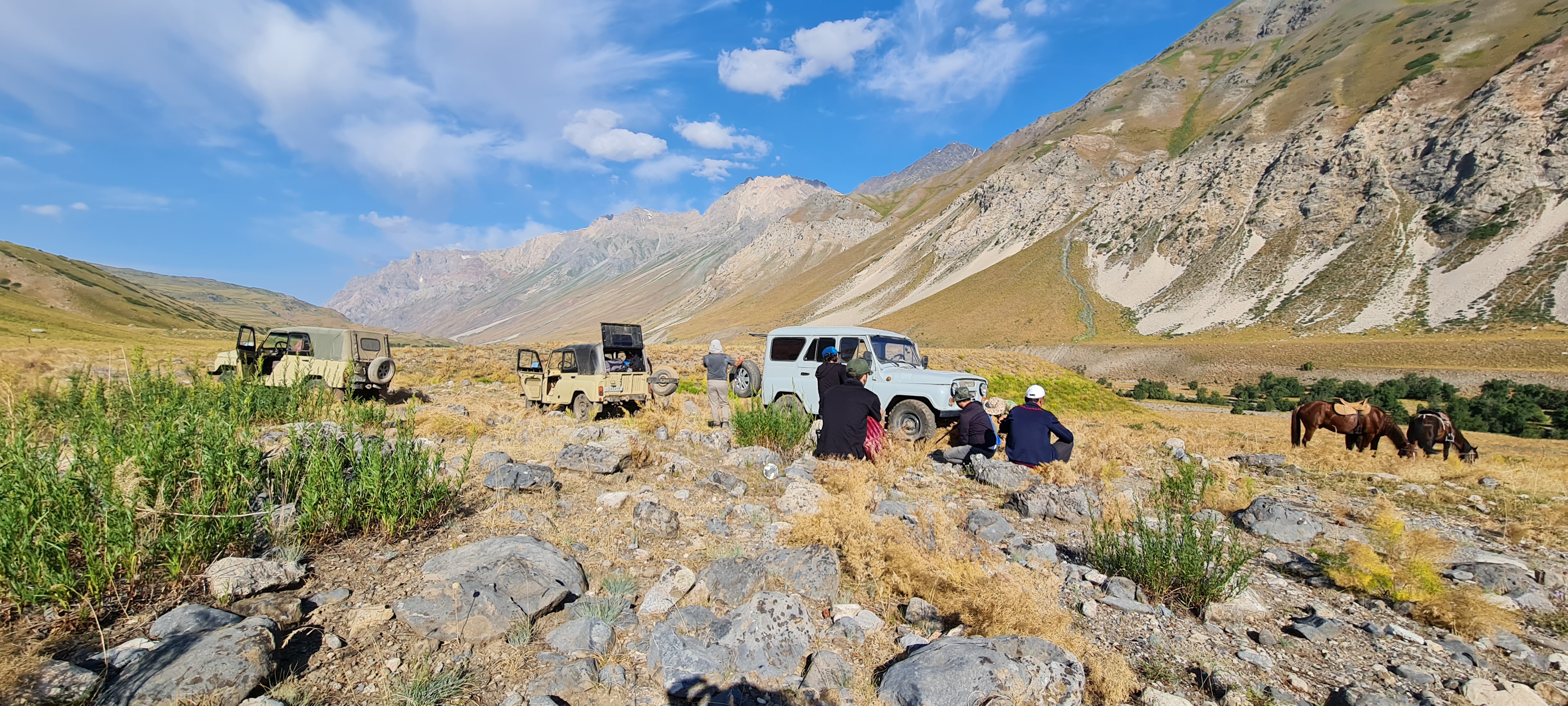
Location: Uzbekistan, Tian Shan Mountains (Heavenly Mountains)
Measurement Altitude: Approx. 4,000 m above sea level
SEBA Services: Installation of an autonomous weather station and a hydrological water level monitoring system
Measured Parameters: Temperature, precipitation, wind direction, wind speed, relative humidity, atmospheric pressure and water level
Glacier Melting in the Tian Shan: Precision Measurement Technology for High-Altitude Climate Research
SEBA Hydrometrie is supporting a research project conducted by the GFZ German Research Centre for Geosciences in Potsdam, investigating glacier development in Uzbekistan. An autonomous weather station and hydrological measurement technology are being used to collect essential data under extreme high-altitude conditions.
Tracking Glacier Changes
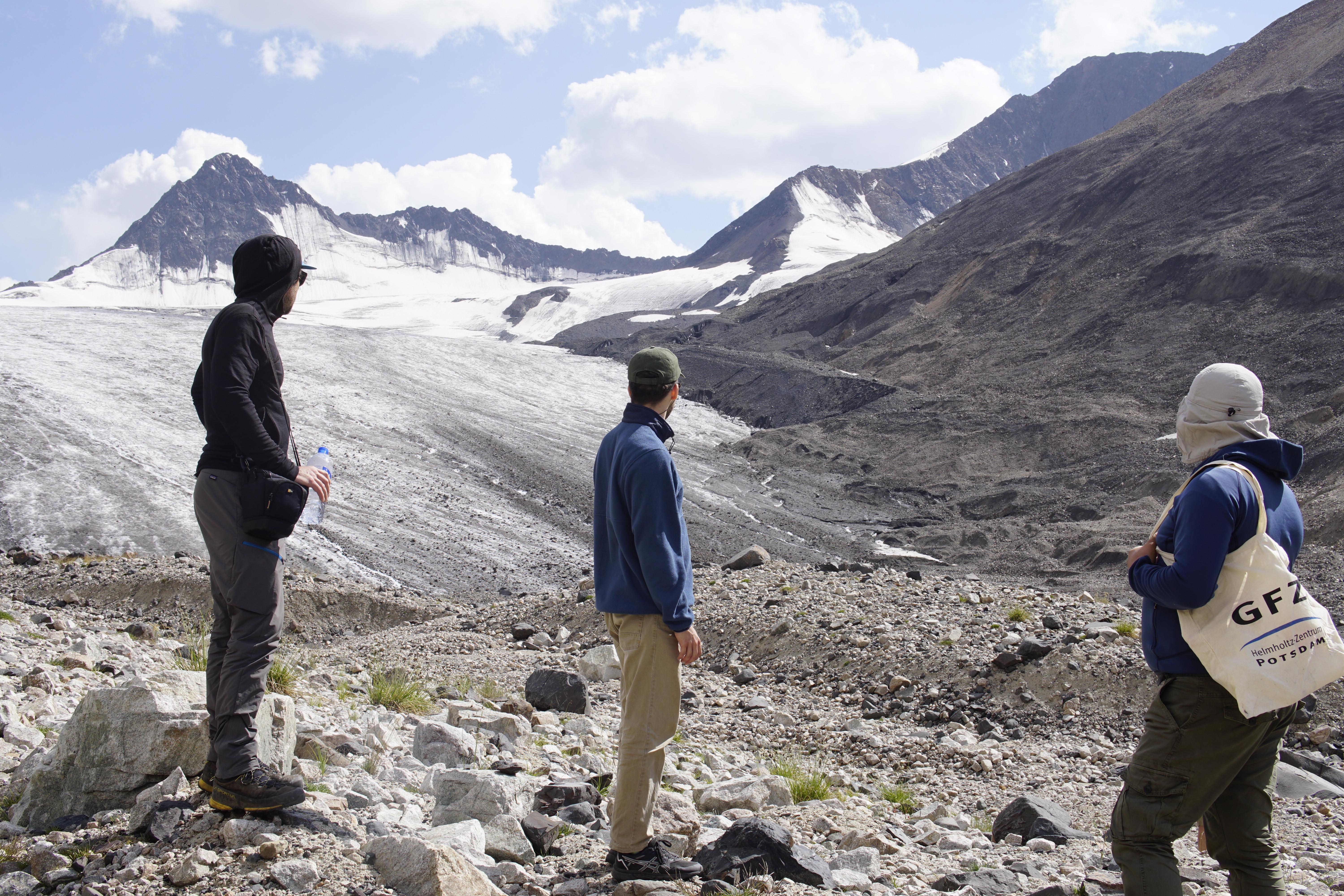
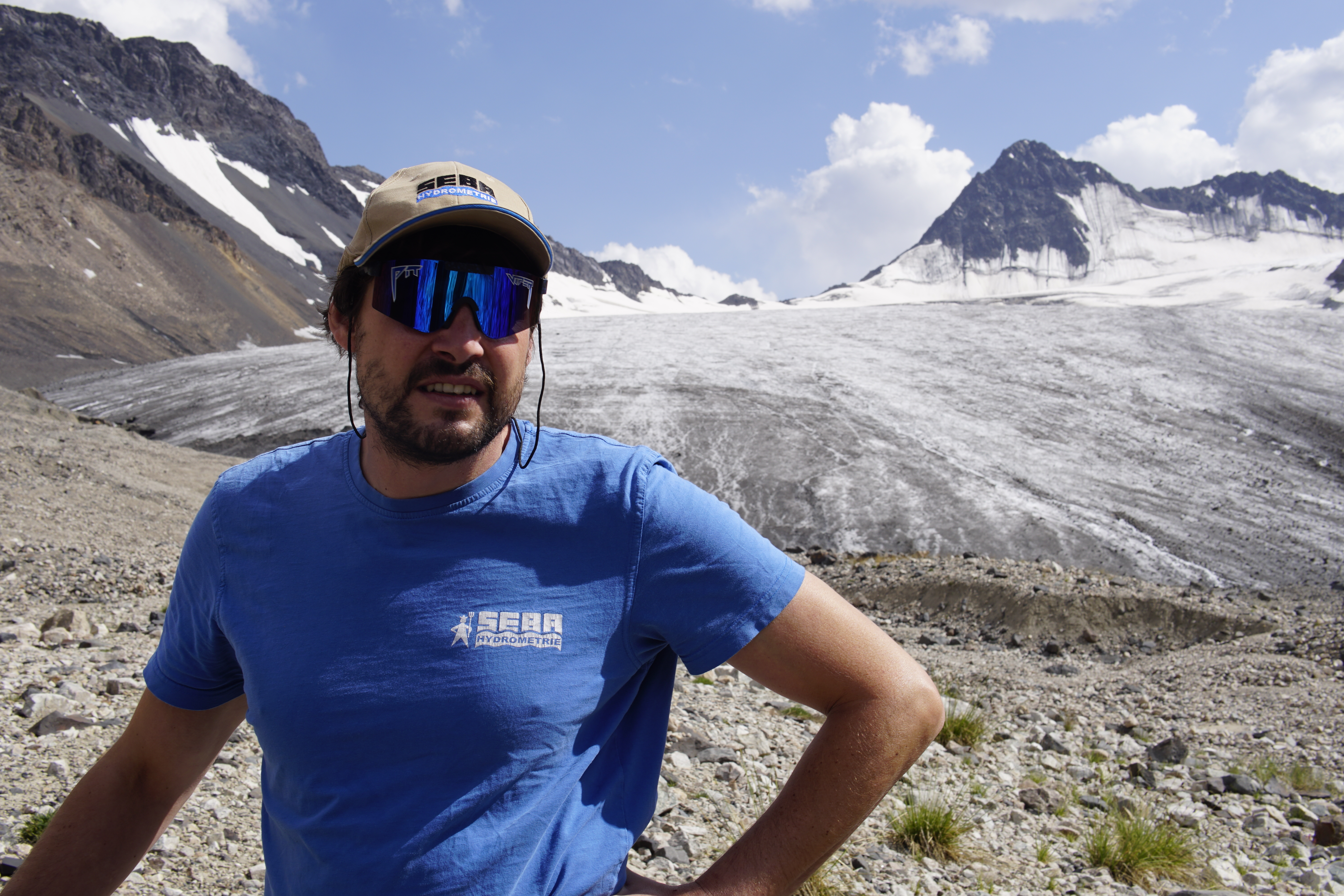
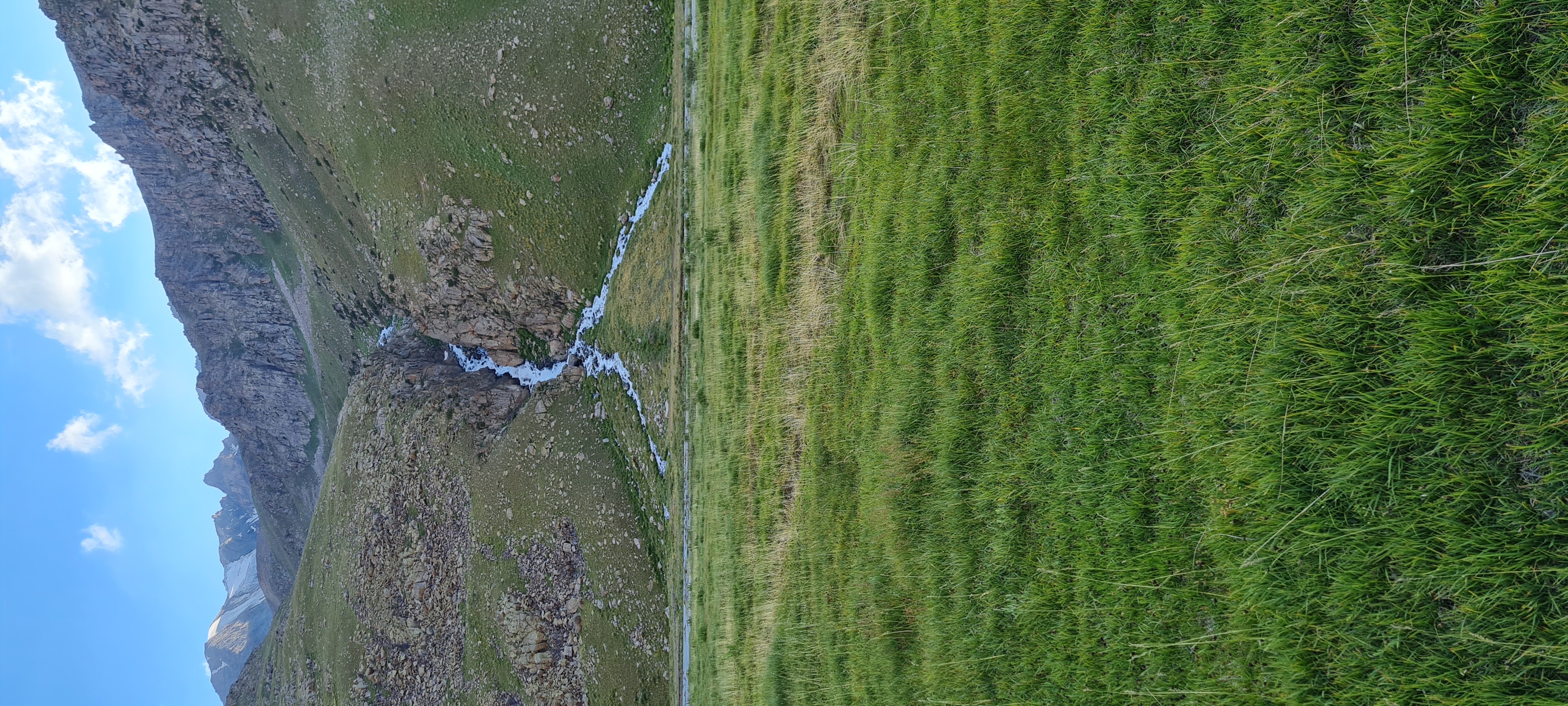
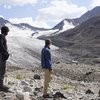
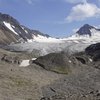
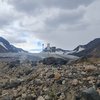
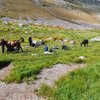
The Tian Shan Mountains, also known as the Heavenly Mountains, extend across several countries in Central Asia and are home to numerous glaciers. These glaciers are an important component of the regional water balance. Ongoing glacier melting and its impact on water resources are increasingly becoming a focus of climate research.
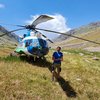
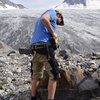
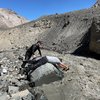
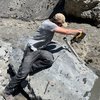
As part of a research project conducted by the GFZ German Research Centre for Geosciences in Potsdam, changes in a glacier in Uzbekistan are being investigated. Several ice measurement stakes have been installed directly in the glacier for this purpose. In addition, the spatial extent of the glacier is being surveyed using GPS measurements.
The GPS data serve as a spatial reference for the glacier area, while the ice measurement stakes document the elevation of the ice surface at the time of installation. Repeated measurements make it possible to detect changes in the glacier surface and investigate glacier development over an extended period.
Meteorological Data for Analysing Glacier Melting
In addition to monitoring glacier geometry, meteorological conditions are a key factor in understanding glacier melting. Climatic parameters such as air temperature, precipitation, wind direction, wind speed, relative humidity and atmospheric pressure influence the glacier's energy balance and, consequently, its melting behaviour.
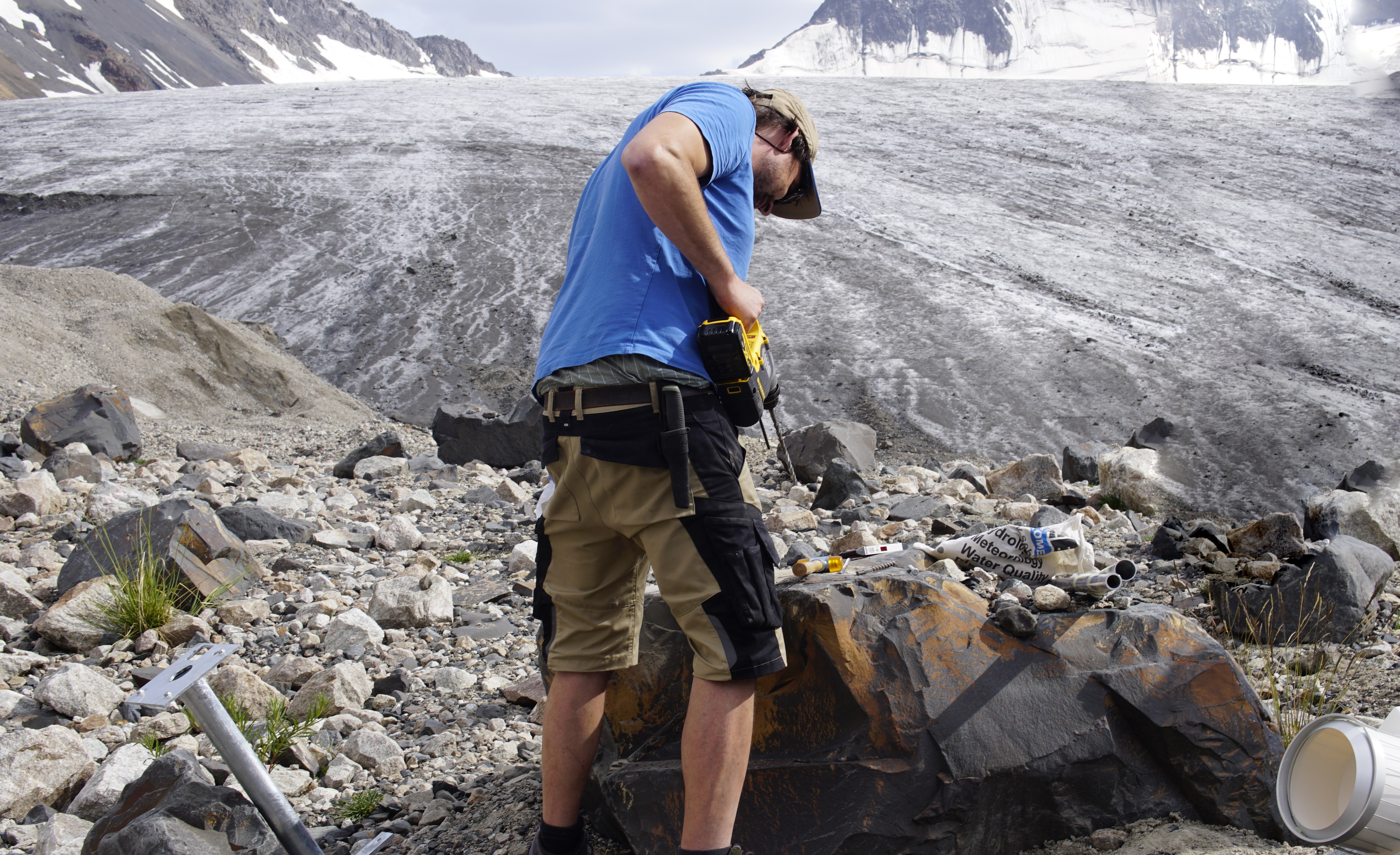
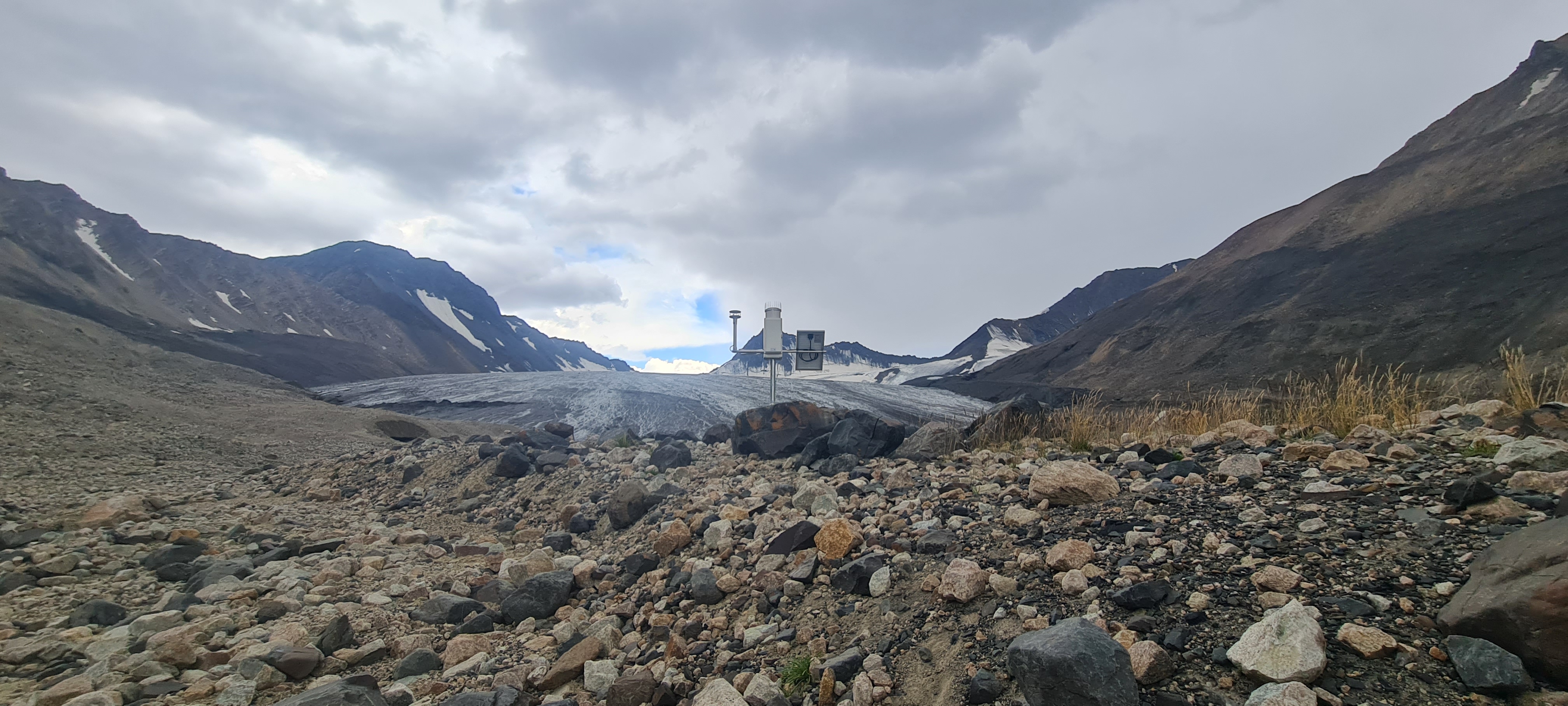
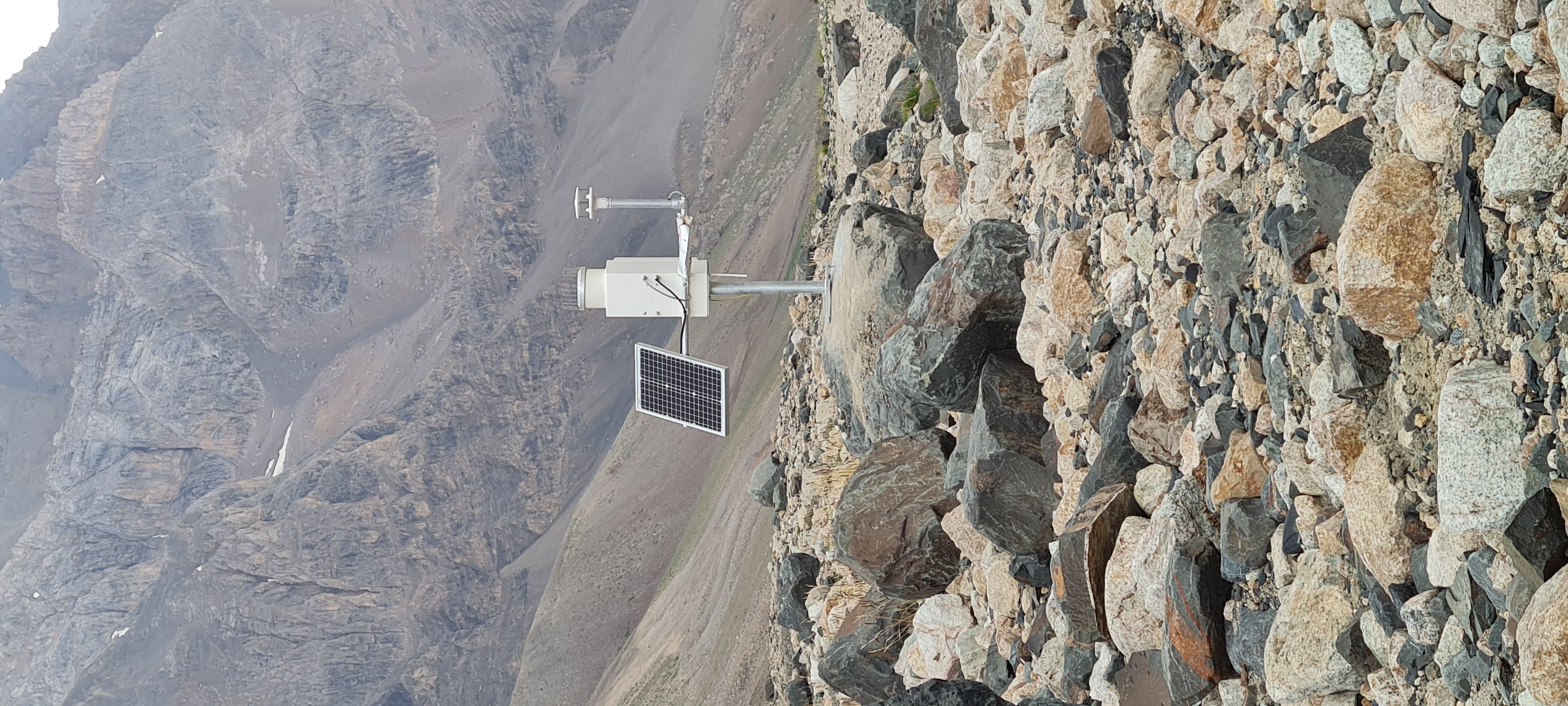
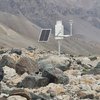
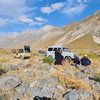
To continuously record these parameters, SEBA Hydrometrie installed a weather station at a suitable measurement site at an altitude of approximately 4,000 metres above sea level.
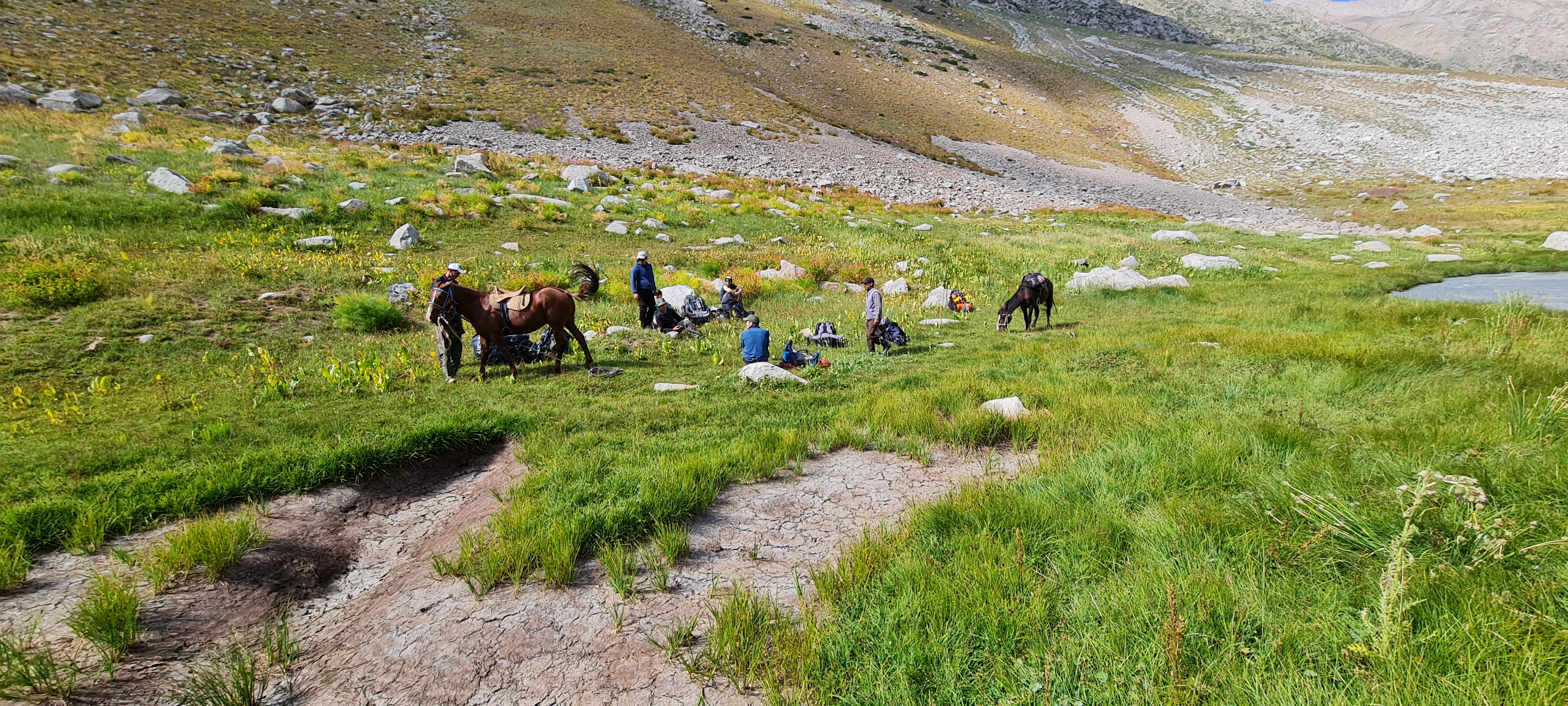
The high-altitude location places particular demands on the measurement equipment and its power supply. The weather station was therefore designed as a fully autonomous measurement system. Power is supplied by a suitably dimensioned solar energy system, enabling independent operation at this remote high-altitude location.
The continuously recorded meteorological data provide an important basis for scientifically investigating the influence of weather conditions on glacier development.
Water Level Monitoring to Observe Meltwater Runoff
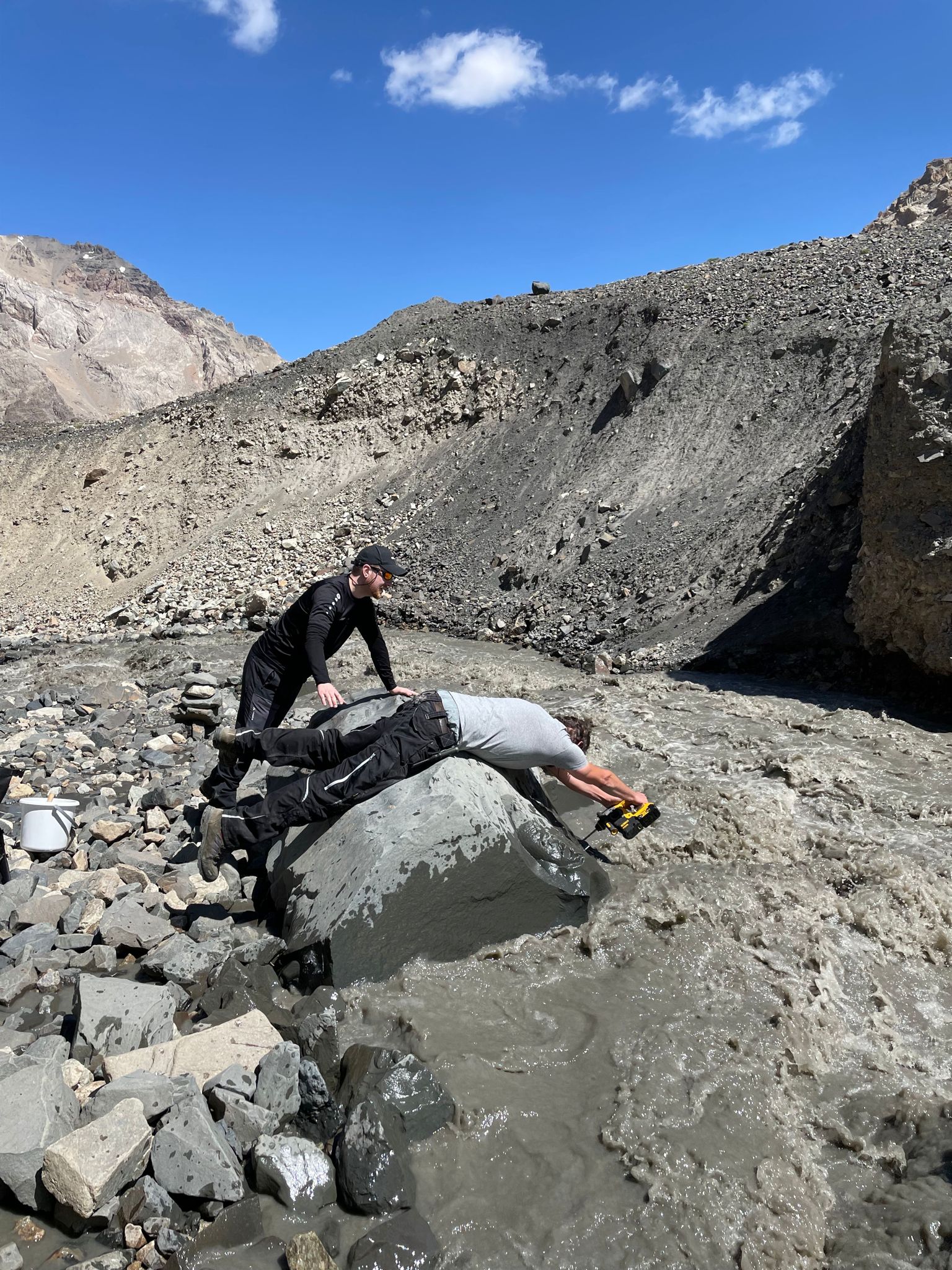
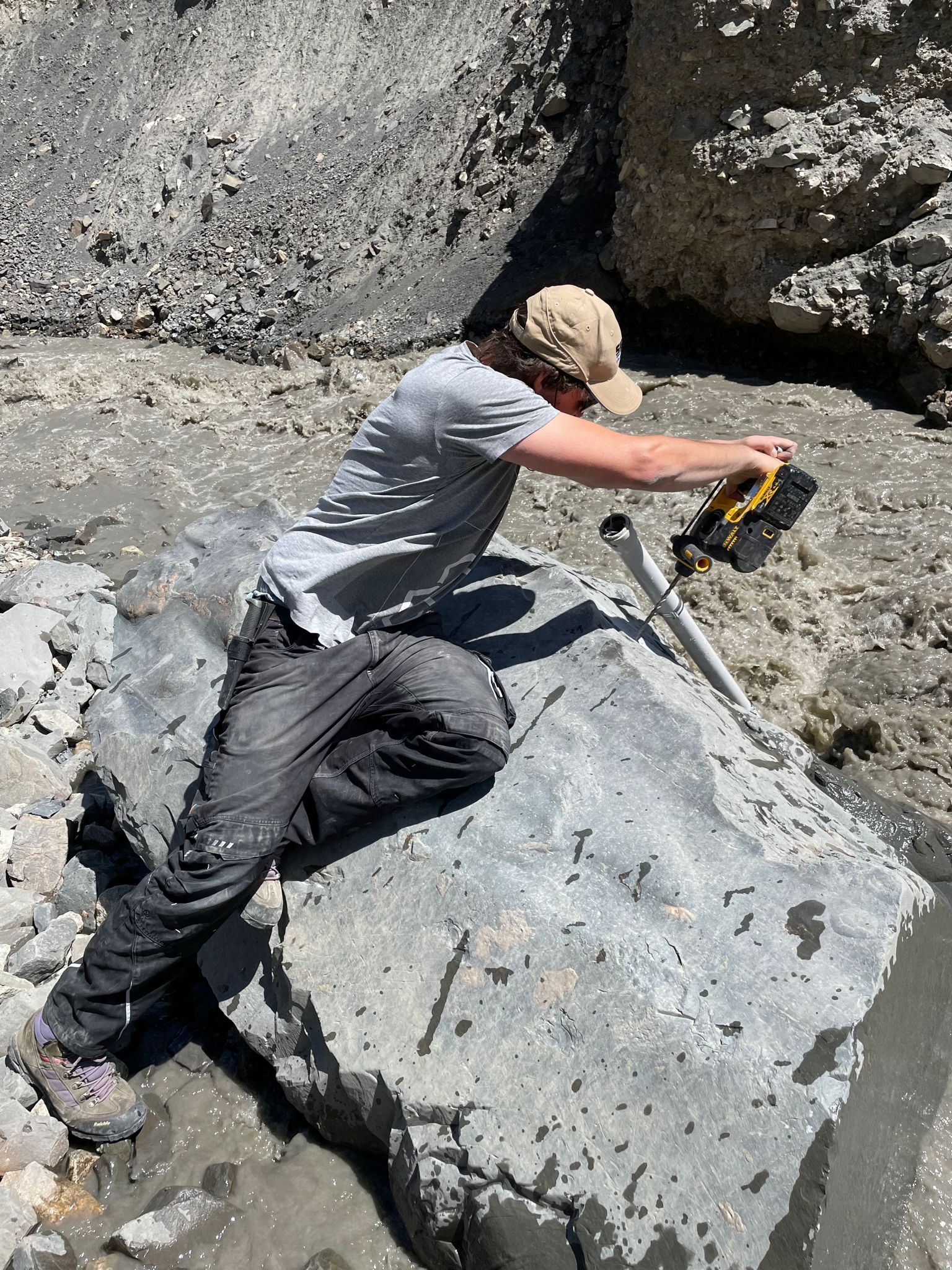
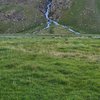
In addition to meteorological data collection, a water level monitoring system was installed in a natural drainage channel.
The objective is to monitor the water level in the channel and document changes over time. The collected measurement data make it possible to observe water level fluctuations and analyse them in relation to meteorological conditions and glacier melting.
This adds an important hydrological component to the glacier research: alongside changes in the ice itself, the resulting effects on the flowing water can also be investigated.
Advanced Measurement Technology Under Extreme Conditions
The combination of GPS surveying, ice measurement stakes, meteorological data collection and water level monitoring provides a comprehensive data basis for investigating glacier development.
With the installation of the weather station and hydrological measurement equipment, SEBA Hydrometrie is making an important technical contribution to this research project. The main challenges include the remote location, extreme climatic conditions and the requirements for autonomous and reliable measurement operations at an altitude of approximately 4,000 metres.
The project in the Tian Shan demonstrates how modern measurement and monitoring technology can help improve our understanding of the effects of climate change on glaciers and the world's water resources.